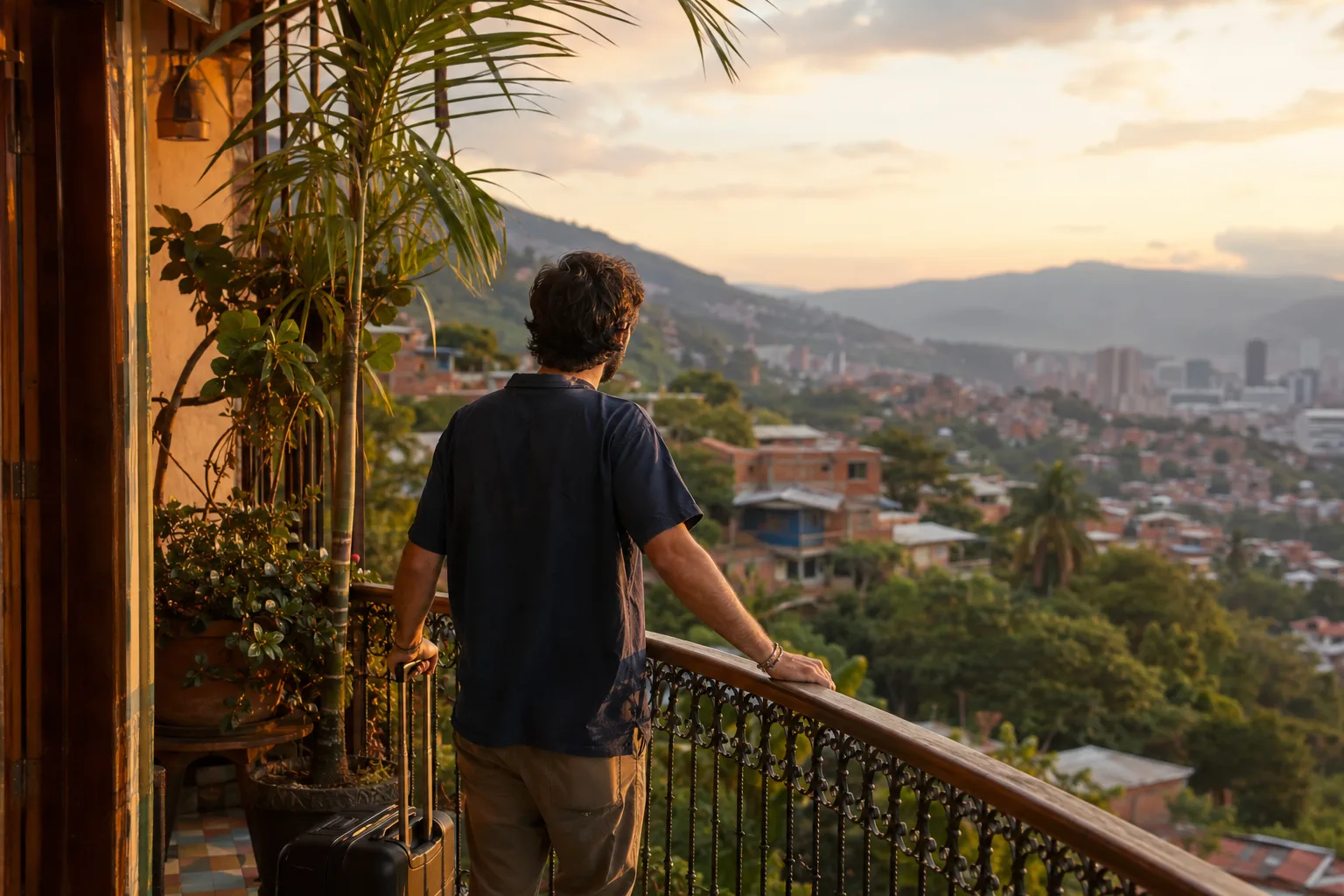
Dental fear is one of the most common anxieties in the world — and one of the least talked about. Whether it's been two years or twenty, there's a calmer, judgment-free way back to a healthy mouth. This site is the map.
No lectures. No shame. Just honest information and a plan.
Why it's not you
Dental fear usually has real roots: a painful childhood experience, a dismissive provider, needle fear, the loss of control that comes with lying back in that chair. Your brain is doing exactly what brains do — protecting you from something it flagged as a threat.
Peer-reviewed studies consistently estimate that roughly one in three adults experiences some degree of dental anxiety.
Around one in eight adults has fear severe enough to delay or completely avoid dental care — often for many years.
The number of good dentists who will lecture you. Modern anxiety-aware clinics treat returning patients with a plan, not a guilt trip.
Prevalence figures reflect ranges reported across published dental-anxiety research; exact rates vary by study and country.
The avoidance loop
If you've avoided the dentist for years, you're probably not dealing with fear alone anymore. You're dealing with fear plus everything avoidance built on top of it. Naming the loop is the first step out of it.
A bad experience, needle anxiety, or loss of control makes appointments feel threatening.
Skipping one cleaning becomes two, then five years. Relief in the short term reinforces the pattern.
Small, cheap problems become large, expensive ones — silently, and usually painlessly at first.
Now the fear isn't just the drill — it's the imagined judgment, the cost, the scale of it all. So avoidance deepens.
Here's the honest reframe: the loop doesn't break through willpower. It breaks when the process itself changes — sedation instead of white-knuckling, one comprehensive plan instead of fifteen dreaded appointments, and a provider who starts from "welcome back," not "where have you been?"
See how the process changesSedation dentistry
Sedation dentistry exists specifically for people like you. Depending on the level, you'll feel deeply relaxed, drowsy, or lightly asleep — and most patients remember little or nothing. Here's the ladder, from mildest to deepest.

"Laughing gas." Takes the edge off within minutes, wears off almost immediately. You stay fully awake and can drive home after.
A prescribed pill before your visit. You're awake but deeply relaxed and drowsy; many patients barely remember the appointment.
Administered and monitored by an anesthesia professional. You drift into a light sleep. Hours of work can happen in what feels like minutes. The gold standard for high-fear patients and long restorative sessions.
Fully unconscious, hospital-grade monitoring. Reserved for complex surgical cases and extreme phobia — appropriate in specific situations your dentist will discuss.
The math of waiting
Long avoidance usually means bigger treatment plans: implants, crowns, sometimes full-arch restoration. In the US, adding IV sedation makes an already large bill larger. This is exactly where treatment in Colombia changes the picture.
Typical 2026 ranges, not quotes. US figures reflect published cash-pay benchmarks; Colombian figures reflect typical private-clinic pricing. Your written treatment plan is the only real number.
Ranges are indicative planning figures drawn from published US cash-pay benchmarks and typical Colombian private-clinic pricing as of 2026. They are not quotes, and final pricing always depends on your case, materials, and clinic. Bar lengths are illustrative of relative range midpoints.
The Colombia option
For high-fear patients with years of postponed work, treatment in Medellín or Bogotá isn't just cheaper. It restructures the entire experience around the thing you actually need: getting it all done, calmly, in one go.

Years of postponed work — extractions, implants, crowns — compressed into a coordinated 7–14 day treatment plan. You face the fear once, with support, instead of re-living the dread every few weeks for two years.
IV sedation with dedicated anesthesia professionals is dramatically more accessible in Colombia, and often bundled into larger treatment plans — so "asleep for all of it" becomes a realistic default, not a luxury add-on.
A new clinic, a new country, no chart history, no one who "remembers your teeth." Recovery happens in a pleasant climate with a coffee in your hand — the dread ritual of the waiting room never even starts.
Credentials matter more than price. Colombia's health system was ranked #22 globally and #1 in the Western Hemisphere in the World Health Organization's 2000 assessment, several Colombian hospitals hold JCI accreditation, and every licensed dentist can be verified through the government's public ReTHUS registry. When you're ready, our sister site ColombiaDentist.co covers vetted clinics, and ColombiaMedical.co covers the wider medical-travel picture — from someone who actually lives in Medellín.
Honest answers
If you want to talk through options — sedation, costs, what a trip to Medellín actually looks like — message a real human who lives there. No pressure, no scripts, no judgment. Questions are free.